NatWest works to support Gen Z while exploring carbon reduction services.
NatWest, a local bank in the UK, is exploring a new carbon reduction service model, and the target user group is the local Gen Z youth who are embracing their adulthood.
Based on the partner's requirements, we have focused on the contradiction between the environmental awareness and the food delivery behaviors of the local Gen Z population. We are attempting to guide them towards cultivating a new low-carbon dietary habit.
Understanding Gen Z’s takeaway habits
- 9 / 10 are making at least some effort to reduce their own impact on the environment.
- 70% of Gen Zers in the UK have ordered takeouts in the past month.
- Nearly 64% British young adults would pay more to purchase an environmentally sustainable product.
The Dilemma
Gen Z is a value-driven population, and they highly value environment sustainability. However, they are also ordering takeouts more often than any other generations, generating more carbon emissions from tableware, packaging and delivery.
Through our street interviews with nearly 100 British young adults, it is discovered that they feel guilty about ordering takeouts to some extent, and yet it's hard to get rid of it.
The following are some key insights observed on this young generation's opinions about takeouts.
- Gen Zs are struggling to balance environmental ethics with the convenience of ordering takeouts, however, those more aware of the environmental impact of their eating habits are more willing to make changes.
- People are more concerned about the environmental impact of the delivery process rather than the carbon footprints of ingredients and cooking methods.
- Some Gen Zs feel powerless and unsure if their individual actions can make a meaningful difference.
- Eco-friendly restaurants are more attractive to them.
A vivid picture of the disconnect between Gen Z's environmental awareness and their ongoing reliance on carbon-intensive takeout habits is painted. At the heart of this problem lies the personal dilemma of many young adults.
PHOEBE

Ordering takeouts makes my life so much easier, but I also feel guilty about my actions and its impact on the environment.
Wants & Needs
- Take actions to reduce her carbon footprint of eating without extra cost.
- Know the positive impact of her actions on the environment.
- Enjoy the convenience of takeouts.
- Discover eco-friendly restaurants that fit her values.
Frustrations
Not knowing how to reduce her carbon footprint and not feel guilty about her habit of ordering takeouts.
Problem Statement
Gen Z keeps environmental sustainability top of mind, but finds it hard to give up the convenience of takeaways. They worry about the environmental impact of their food choices, yet struggle to turn that concern into action.
A problem or an opportunity
It is estimated that ordering takeout of a chicken salad meal generates much less carbon footprints than a dish of beef rib at home even though it makes more carbon footprints in the packaging and delivering stage. That is because different meat and dairy choice influence its carbon emission dramatically. Given that it is hard for Gen Z to stop ordering takeouts, it might be more effective to change their diet choices in order to reduce individual carbon footprints.
This leads to our thoughts - As an existing environmental problem, could takeouts also be a game changer?
Beef ribs
- Land use change
- Farm
- Animal feed
- Processing
- Transport
- Retail
- Cook
- Package
- Delivery
Chicken salad
Opportunity
Ingredient Impact
Reduce carbon emissions from the pre-cooking stage, and promote the plant-based diet.
Gen Z Entrepreneurs
Entrepreneurial Gen Z are exploring eco-friendly dining businesses.
Support from NatWest
Carbon Expertise
NatWest owns a dedicated and authoritative department in carbon footprint calculation statistics.
Environmental Financing
NatWest provides financial service support such as investments, loans, and risk consulting for environmental entrepreneurship.
Gap in between mainstream takeaway platforms
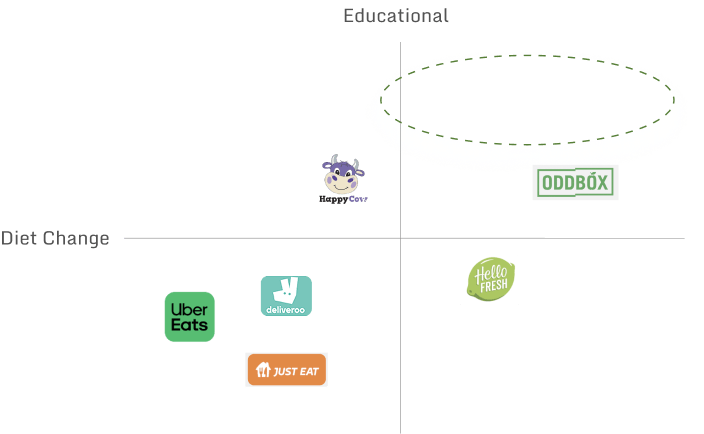
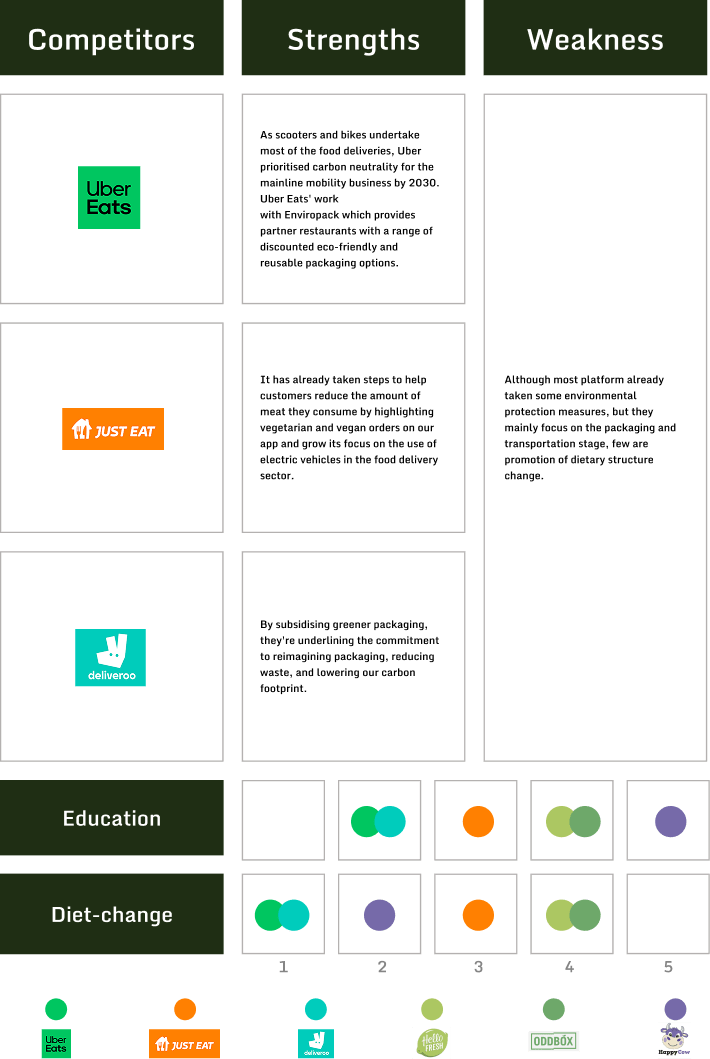
We studied several popular takeaway platforms among young people for a competitive analysis in both educational level and diet-changing level.
Two of them involve limited environmental protection knowledge sharing, and most of them focus on delivering pre-cooked meals only. And we believe there is a space for educational business and carbon reduction in pre-cooking stages.
How might NatWest…
Reduce Gen Z consumers' carbon emissions from takeouts and encourage a more sustainable eating habit by educating and putting more emphasis on ingredients while still respecting their own takeout habits?
A low-carbon takeaway platform involving delivery app partner for Gen Z
Based on the findings, there are two parts in our solution:
Cognitive Shift.
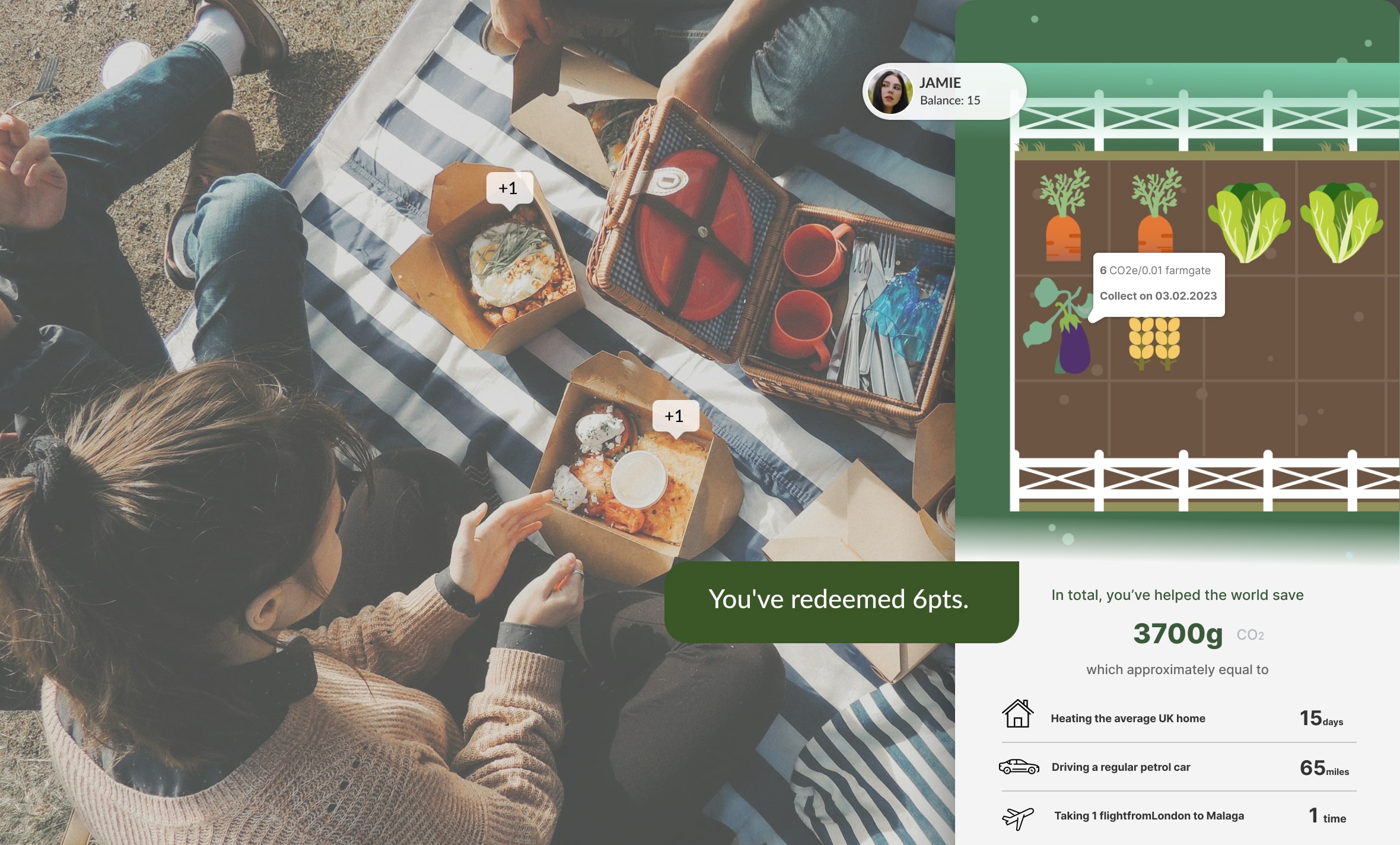
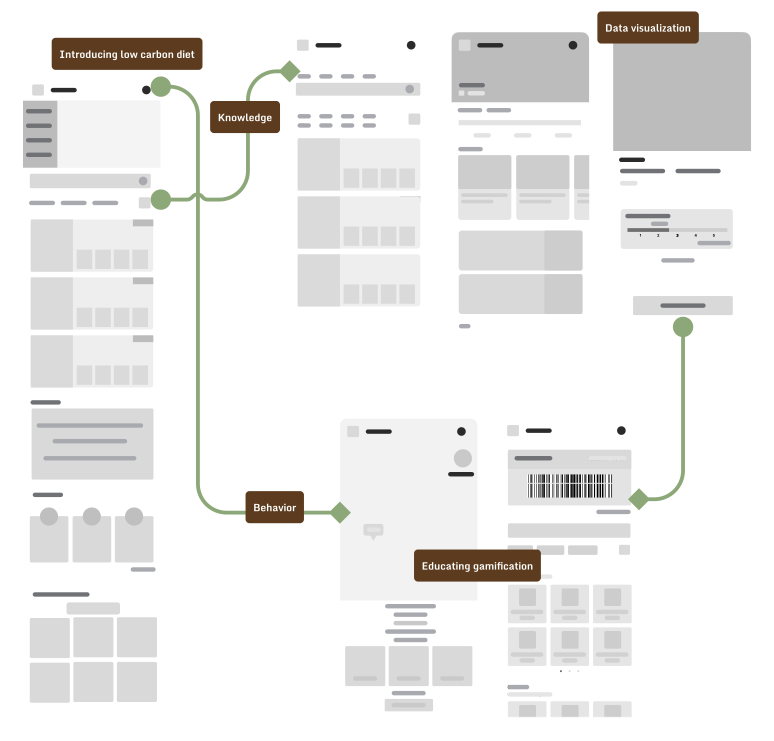
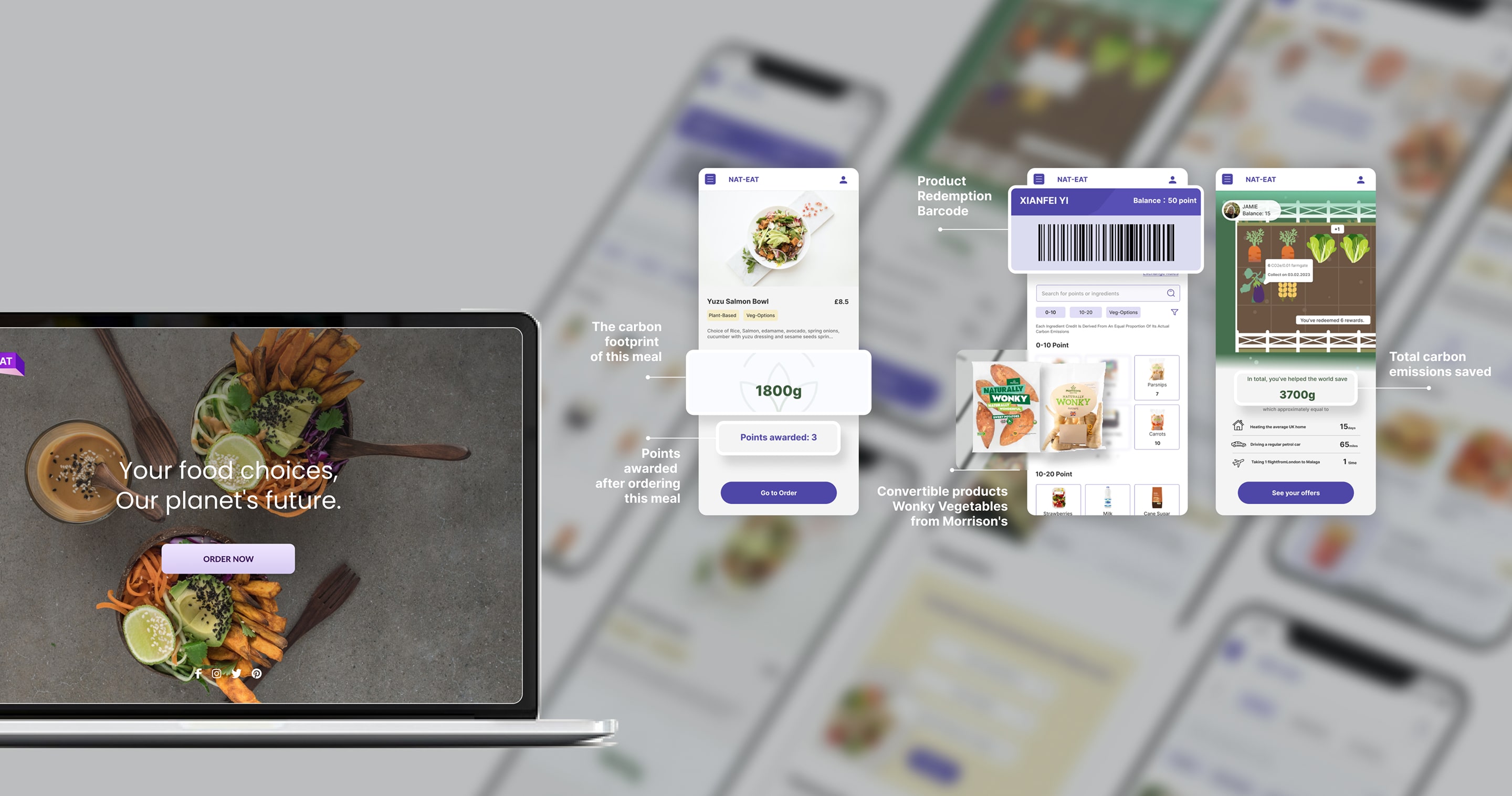
Visualize the carbon emissions data for each dish option during the menu selection process, to enhance user awareness and understanding of low-carbon dietary choices.
Behavioral Guidance.
Provide opportunities for users to exchange "ugly" or surplus food ingredients at a discounted price. This encourages the consumption of excess food and promotes people cook at home if possible, ultimately helping to form low-carbon dietary habits over time.
The first part focuses on transforming user mindsets by making the environmental impact of food choices more transparent. The second part guides user behavior through incentives and features that steer them towards more sustainable consumption patterns. Together, these two strategic approaches aim to drive a gradual shift towards low-carbon dietary practices.
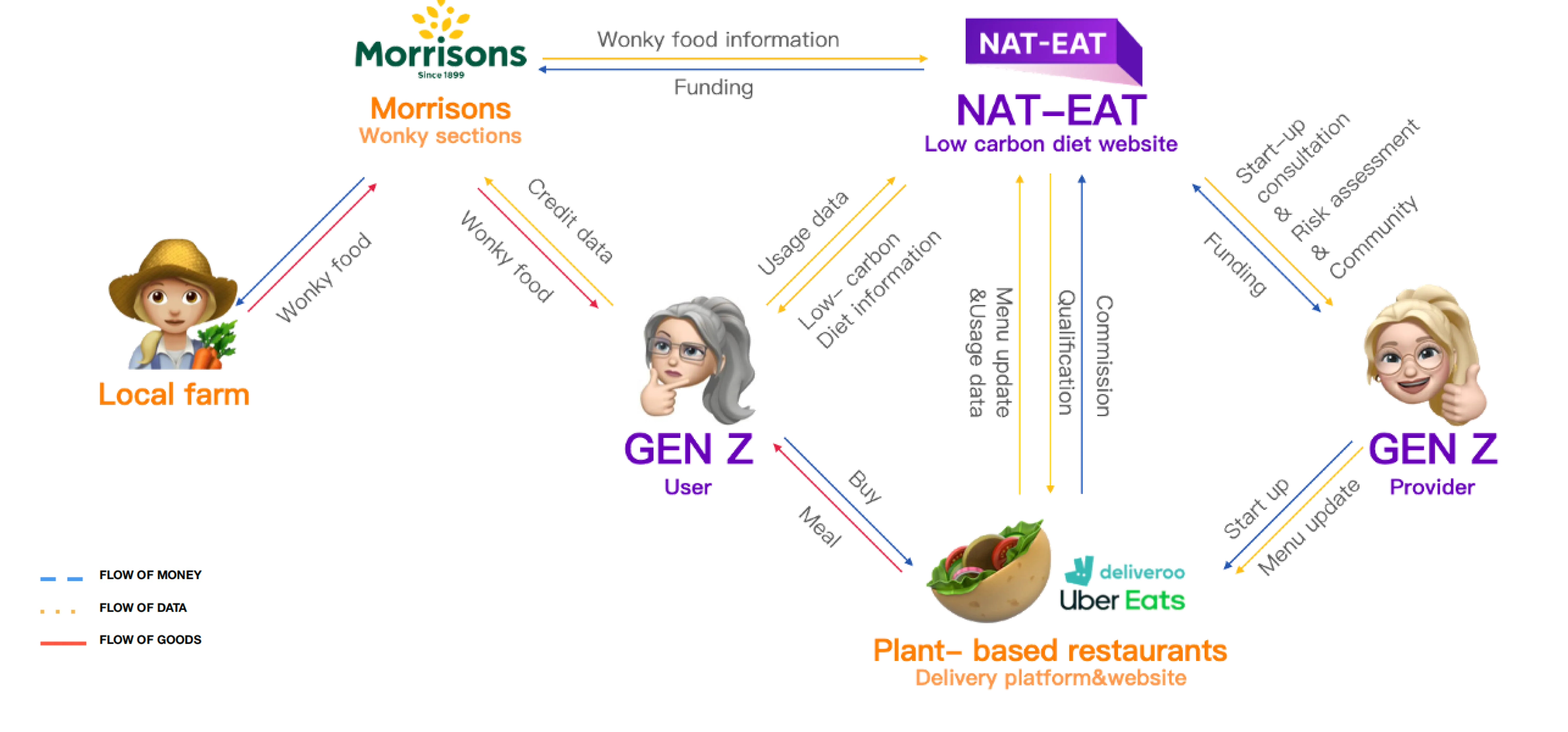
Value exchanges between stakeholders
To address NatWest's need to attract more target users by providing carbon reduction services that are of interest to Gen Z, there are 2 key elements. On one hand, align the carbon reduction services with Gen Z' s interests and entrepreneurial mindset. On the other hand, provide tailored financial support and advisory services to enable young catering startups.
By taking this approach, we aim to attract more target Gen Z users while also supporting their business goals, ultimately driving adoption of the low-carbon dining services. This also enhance the brand's image and create values for both the bank and the users.
Usability testing for users at both ends
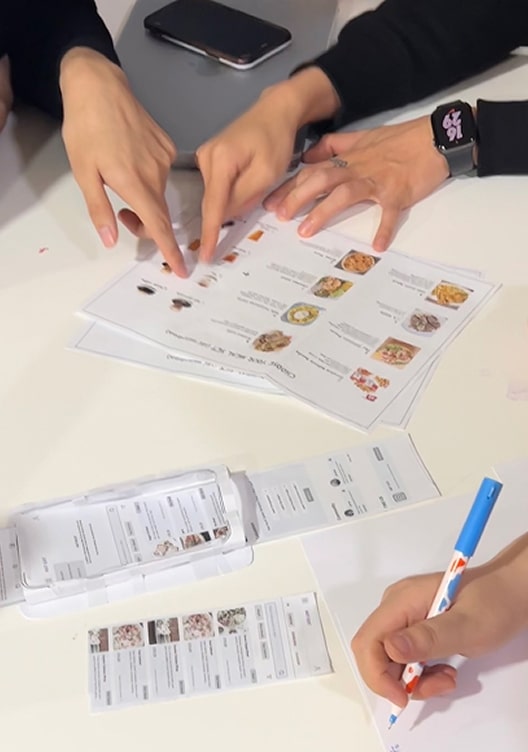
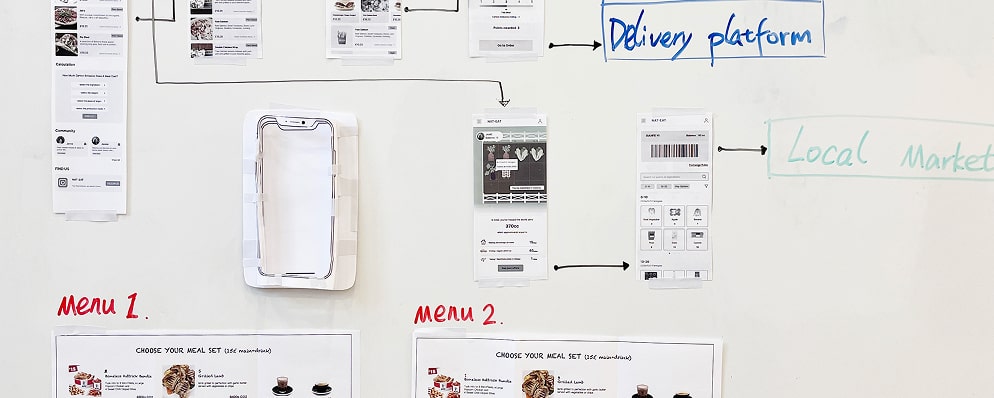
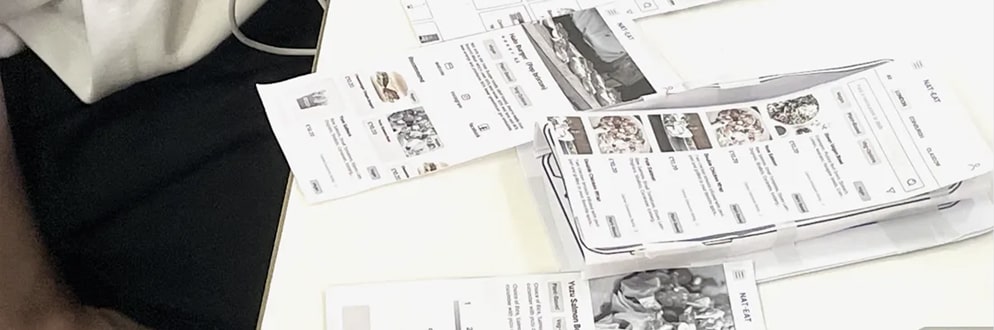
We conducted testing with two menus with or without carbon emissions data and interactive wireframes of key pages.
- Among the 20 testing users, 42% of them increased their selection rate of low-carbon diet options after being shown to a carbon data-based menu.
- Several feedbacks were about the visual presentation of carbon emissions data, claiming the visual display of the level ranging from one to five is unclear about which end of the scale represents lower carbon emissions.
- For the 3 interviewed restaurants, the bigger concern is the cost of joining the platform and relevant qualification verification.
Final Design
Key Takeaways
Design with intention.
Building a whole new platform isn’t always the best solution, instead, explore ways to integrate designs into existing resources whenever possible. In this case, we included Morrison’s Wonky Section into the system map to support food carbon reduction.
Effective storytelling simplifies complex user journeys.
I used a zooming-in animation to highlight key stages and involved stakeholders for better understanding during testing.